Street Fighter 6
Inspect the command and state receipt when an observer sees someone press a valid-looking battle row twice.
Interview first, watch an uncoached task, or observe and then interview?
Identify an observable action or state change and hold two possible explanations open.
Compare a newcomer with a returning Classic player on this opponent-turn frame. Record the cue they cite, their attempted input and the public result separately.
Inspect the command and state receipt when an observer sees someone press a valid-looking battle row twice.
When someone inspects Hem without committing an action, record the route and leave their purpose open.
Record first destination and reported turn owner separately. One correct answer can hide an unnecessarily difficult route.
Compare what the player can infer. The scale labels describe the production context of each example.
These editorial lists rank how well a particular shipped interface supports the stated research question. We inspected publisher and developer imagery across 22 candidate games, including examples from the 1990 Loom lineage through 2023 releases. We compared the specificity of the task, the strength of the primary source, whether an observable action can distinguish plausible explanations, and transfer across genres. The four lists answer different questions. The three Snake Eyes picks in each list are separate editorial recommendations. In particular, the Dead Cells team reports a player panel for its revision, and Turn 10 describes direct consultation on Blind Driving Assists. Other proposed prompts and observations are our exercises. No reference screenshot records a Snake Eyes participant, and no sample here represents all game players. Award labels describe their organizer’s category rather than endorsing our rank or exercise.
Each entry links to the image and the feature evidence. Award badges name the recognized category. The saved direction records the director’s own choices.
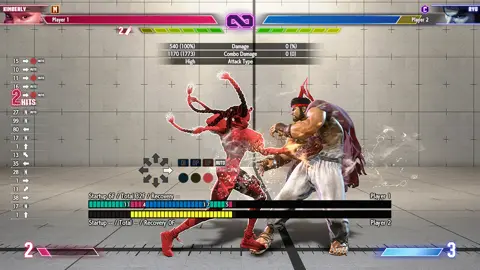 Fighting gameStreet Fighter 6Record input separately from interpretation
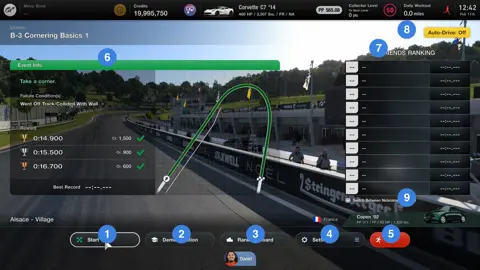 Racing simulationGran Turismo 7Observe route choice as well as completion
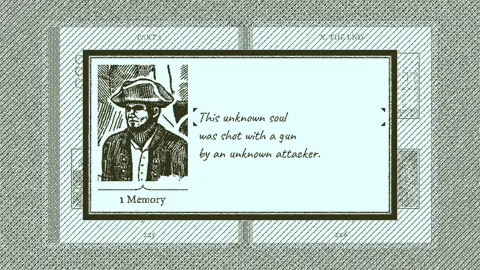 Deduction adventureReturn of the Obra DinnSeparate discovering an answer from entering one
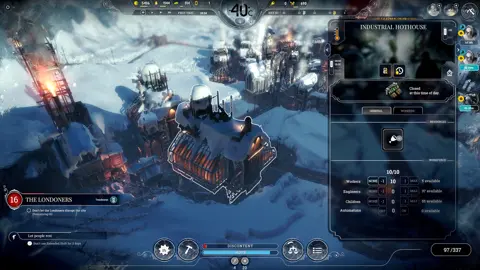 Survival city builderFrostpunkCount navigation separately from interpretation
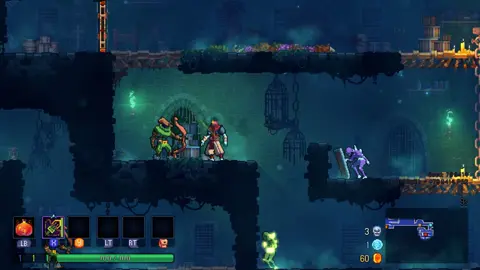 Action platformerDead CellsMeasure target acquisition in the same scene
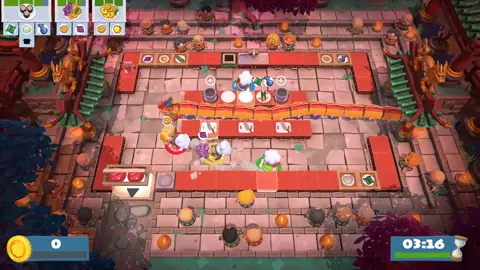 Co-operative cookingOvercooked! 2Treat a handoff as a sequence between people
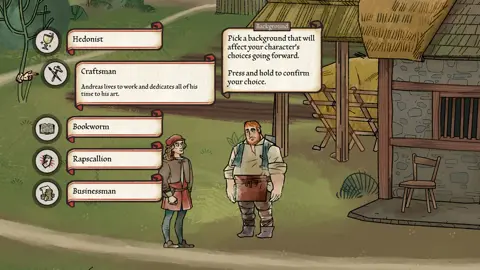 Historical narrative RPGPentimentLog the point where progress stops
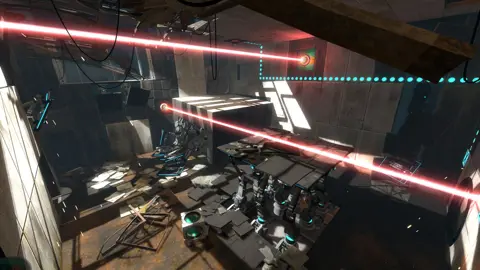 First-person puzzlePortal 2Record an inspected link and attempted operation
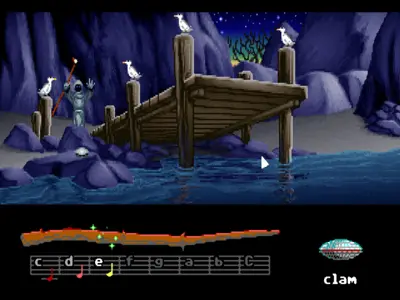 Musical graphic adventureLoomDescribe input and target independently
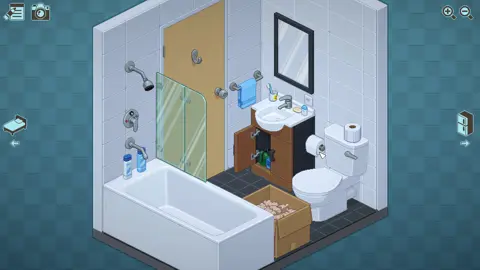 Environmental placement puzzleUnpackingDescribe an observable placement sequence
Record input separately from interpretation
Give a neutral move goal. Record the sequence received, the move the game played and whether a hit registered. A correct input followed by an unexpected outcome is a different observation from a missing input.
Observe route choice as well as completion
Give a cornering task without suggesting the demonstration. Record first button used, whether the example was watched, first completion, failures and time. Keep aided and unaided attempts apart.
Separate discovering an answer from entering one
Observe whether the person examines the memory, identifies the person aloud, opens an editable field and enters or defers the answer. Record the visible path and exact words as separate events.
Count navigation separately from interpretation
Start both participants in an equivalent ordinary city state. Record first panel opened, whether they enter thermal view, the building selected, and the condition they report. Log any return to the wrong panel.
Measure target acquisition in the same scene
Set the same encounter and target. Record first identified figure, direction of movement, first attempted target and correction. If the player verbally identifies the right target but repeatedly activates another one, keep the two observations separate.
Treat a handoff as a sequence between people
For a future session, record item picked up, item left at the handoff point, second chef’s next action and completed order. Time each stage only when both roles have been identified.
Log the point where progress stops
Ask the player to choose a background. Note which row receives focus, whether the person explains its meaning, when confirmation begins and whether the screen advances.
Record an inspected link and attempted operation
After setting a clear goal, record first direction of movement, first inspected object, attempted operation and any return to the same place. Only call something a fixation when eye tracking actually supplies that observation.
Describe input and target independently
Record which object is targeted, which note positions are activated and whether the observed game state changes. Note an incorrect sequence separately from an incorrect target.
Describe an observable placement sequence
Record first container opened, item chosen, target attempted, visible acceptance or rejection, and whether the item is moved again. For a still-only exercise ask for a prediction, not a count of retries.
Loading saved references…