Pentiment
Ask about one observed pause on the estate or creator. Change only the implicated text, layout or input condition in a later comparison.
Interview first, watch an uncoached task, or observe and then interview?
Ask about the participant’s own goal or cue, then name a second observation that could distinguish the answers.
A pause here might mean comparing the two portraits or wondering what Save appearance will keep. Invite the player to describe the moment before suggesting either explanation.
Ask about one observed pause on the estate or creator. Change only the implicated text, layout or input condition in a later comparison.
For a saved-character choice, ask what the player wanted to see before deciding whether hesitation needs a fix.
If the person predicts the guard correctly, compare the same task with their preferred alternative input, keeping the instruction constant.
Compare what the player can infer. The scale labels describe the production context of each example.
These editorial lists rank how well a particular shipped interface supports the stated research question. We inspected publisher and developer imagery across 22 candidate games, including examples from the 1990 Loom lineage through 2023 releases. We compared the specificity of the task, the strength of the primary source, whether an observable action can distinguish plausible explanations, and transfer across genres. The four lists answer different questions. The three Snake Eyes picks in each list are separate editorial recommendations. In particular, the Dead Cells team reports a player panel for its revision, and Turn 10 describes direct consultation on Blind Driving Assists. Other proposed prompts and observations are our exercises. No reference screenshot records a Snake Eyes participant, and no sample here represents all game players. Award labels describe their organizer’s category rather than endorsing our rank or exercise.
Each entry links to the image and the feature evidence. Award badges name the recognized category. The saved direction records the director’s own choices.
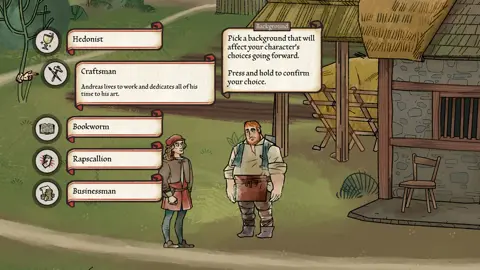 Historical narrative RPGPentimentLocate the source of “it felt slow”
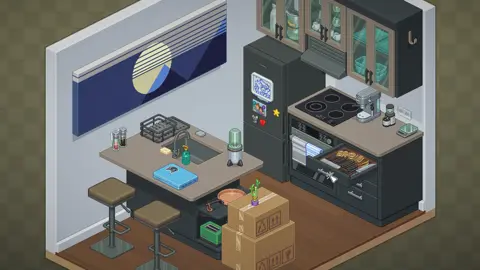 Environmental placement puzzleUnpackingSeparate chosen exploration from a failed placement
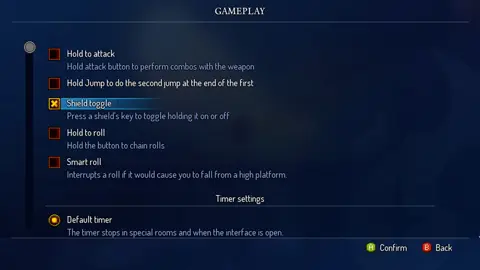 Action platformerDead CellsSeparate knowledge from sustained effort
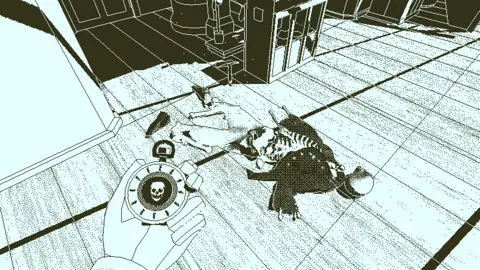 Deduction adventureReturn of the Obra DinnAsk what information was still missing
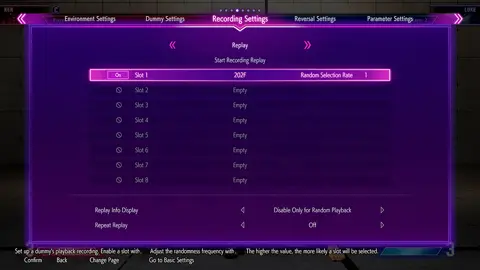 Fighting gameStreet Fighter 6Replay an identical opponent sequence
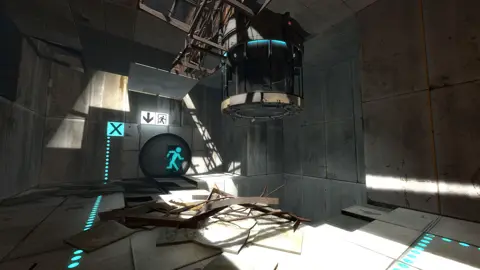 First-person puzzlePortal 2Separate finding a goal from inferring its cause
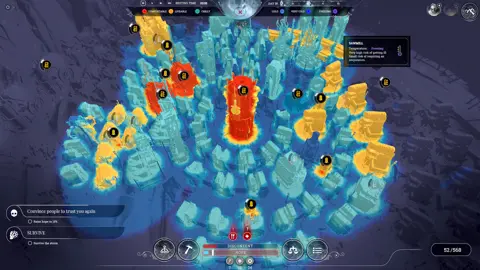 Survival city builderFrostpunkAsk what made the condition meaningful
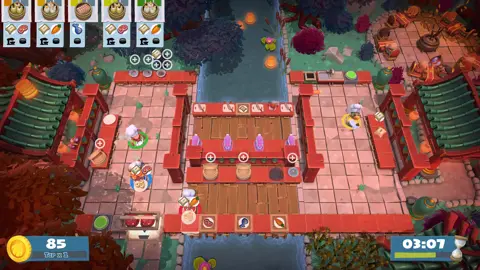 Co-operative cookingOvercooked! 2Ask each participant for their own view
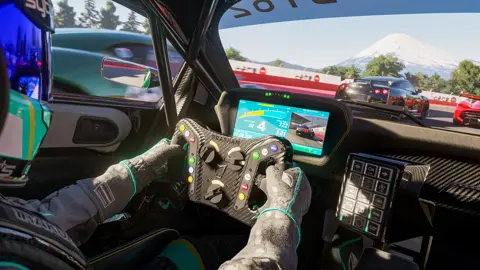 Racing simulationForza MotorsportAsk what informed the action
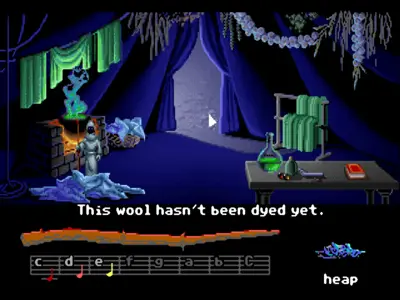 Musical graphic adventureLoomAsk what the player expected the target to do
Locate the source of “it felt slow”
Ask “Walk me through what was happening between seeing the choices and moving on.” If needed, ask “What were you waiting for at that point?” Check the answer against the focused row and activation you observed.
Separate chosen exploration from a failed placement
After a second placement, ask “What were you trying to arrange there?” and “How did you decide you were finished?” Follow the participant’s words before asking them to repeat one action.
Separate knowledge from sustained effort
After a hesitation, ask “What were you trying to make the shield do at that moment?” Then ask “What happened when you tried?” Let the person demonstrate on the configuration they used.
Ask what information was still missing
Ask “What did you want to find out next?” After the response, ask “How were you planning to record that?” One question addresses the evidence, the other the interface.
Replay an identical opponent sequence
After the participant misses the response, ask “What was your cue to act?” Repeat the same stored sequence, then ask what they expected their input to do.
Separate finding a goal from inferring its cause
After the player approaches the door, ask “What did you think would make it open?” If they identify a mechanism, ask how they expected to operate it. Observe the next unprompted attempt.
Ask what made the condition meaningful
After a temperature judgment, ask “What led you to that answer?” If the reply is vague, ask “Which part of the display were you using?” Then present a second building without pointing.
Ask each participant for their own view
Ask each person separately, “What were you expecting to happen next at that counter?” Follow with “What did you use to decide that?” Compare the answers with the public handoff and any consented communication record.
Ask what informed the action
After the turn, ask “What told you it was time to steer?” and “Was there anything you were waiting for?” Give the person the option to demonstrate their usual cue in a replay or another lap.
Ask what the player expected the target to do
After an unsuccessful attempt, ask “What did you expect to change?” Then ask “How did you decide what to play?” Check target interpretation, remembered notes and physical input separately.
Loading saved references…